Support
Posters
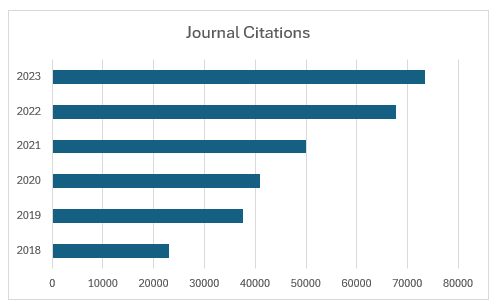
The use and utility of Covaris Adaptive Focused Acoustics®( AFA®) technology is continuously growing and expanding. Covaris has been referenced in over 75,000 publications, and that number continues to grow. We are proud to share the collection of Covaris Scientific posters to educate and inspire our customers on their continued quests for discovery.
Posters
Sort By
Items
An Automated High-throughput ChIP-Seq Workflow using Covaris Adaptive Focused Acoustics® (AFA®) System for Accelerated IP
Quick Guide
Presented at AGBT 2020 with University of California San Diego: ChIP-Sequencing (ChIP-Seq) combines chromatin immunoprecipitation (ChIP) with DNA sequencing and has been highly used for studying DNA-protein interactions. Yet, most implementations of ChIP-seq are inefficient and slow requiring 2 to 3 days for completion of the complicated and often manual workflow. To overcome these issues, we combined our validated automated ChIP-seq (Busby et al., Epigenetics & Chromatin, 2016) with the Covaris Adaptive Focused Acoustics (AFA) technology to streamline and significantly reduce the overall workflow time for ChIP-seq. In our study, we tested the ability of AFA to enhance the binding kinetics of antibody-epitope association, improve signal-to-noise ratios, and decrease total processing time. We evaluated a range of epitopes including major histone modifications such as H3K4me3 which is associated with open chromatin and forms narrow peaks, H3K27me3 which is linked to repressed chromatin and binds to wide regions, and H3K27ac associated with open chromatin, and both wide enhancer loci as well as narrow promoter regions. Additionally, we are also studied the capacity of the AFA to augment the IP step of DNA associated proteins such as CTCF and validated our test conditions using two cell types.
A Robust and Scalable Workflow for Extraction of DNA, RNA, and Protein from FFPE Tissues
Quick Guide
Presented at EACR 2023
Download PDFComprehensive Sample Preparation for Proteins Enabled by AFA® Technology
Quick Guide
Application: AFA Technology, Proteomics
US HUPO 2023 Poster: Sample preparation can significantly impact data quality derived from complex samples. This is especially important for proteomics research, owing to diversity observed in proteins, which cannot be amplified. Covaris’ Adaptive Focused Acoustics® (AFA®) Technology can address a wide variety of sample types (FFPE, LCM, fresh tissue, cells, bacteria, yeast), while increasing speed, throughput, reproducibility, and reliability. AFA is compatible with other purification approaches like SP3 or S-Trap and extensively used for bottom-up proteomics to targeted quantitation of proteins in complex biological matrices.
Download PDFFully Automated Extraction of High-Quality Total Nucleic Acids from FFPE Specimens using Covaris truXTRAC® FFPE SMART Solutions & Hamilton Robotics
Quick Guide
Presented at SLAS 2024: Covaris, Hamilton, and Labcorp (OmniSeq®) solution merges Hamilton’s Microlab® STAR™ with Covaris’ truXTRAC® FFPE SMART Solutions technology for FFPE processing • Highlights the potential of the Assay-Ready Workstation (ARW) in improving FFPE DNA/RNA extraction processes, including those in the OmniSeq INSIGHT assay workflow • DNA and RNA from FFPE Specimens purified automatically by ARW • DNA and RNA quality metrics and yield analyzed at Labcorp • TruSight® Oncology 500 (TSO 500, Illumina®) next-generation sequencing (NGS) metrics analyzed by Labcorp • Samples extracted using the ARW and truXTRAC FFPE SMART Solutions outperform the current clinically-validated extraction workflow in terms of yield, purity, and downstream DNA and RNA NGS performance
Adaptive focused acoustic lysis for high-throughput shotgun metagenomics and proximity ligation
Quick Guide
Presented at AGBT 2020 with Phase Genomics: Rapid and thorough lysis of diverse metagenomic samples remains an important challenge in the study of microbial communities using all modern genomic methods. This is also true for Phase Genomics’ ProxiMeta™ platform, which enables accurate metagenomic deconvolution and mobile element host association using Hi-C proximity ligation sequencing. This technology unlocks the ability to track the hosts of antimicrobial resistance and virulence genes borne on mobile elements in settings ranging from healthcare, food production, to agriculture and waste management. However, to be a useful surveillance tool, ProxiMeta must be amenable to high- throughput methods. Representation of diverse organisms found within metagenomic samples can be severely skewed by differential lysis owing to variation in outer membrane and cell wall composition. Differential lysis is typically minimized through a combination of chemical and physical lysis using detergents and physical disruption (bead beating). Bead beating is effective but limits the throughput of metagenomics analysis because it is not compatible with multi-well plates and liquid handling. We overcome this limitation using the Covaris Adaptive Focused Acoustics™ (AFA) technology showing that it is able to rapidly lyse complex microbial communities composed of diverse organisms including Gram-negative bacteria, Gram-positive bacteria, and fungi. We observe a beta-diversity Jaccard index of >0.9 when comparing results of traditional bead beat lysis and AFA. Furthermore, AFA lysis speeds up the ProxiMeta protocol, saving hours when scaled to 96-well plates, delivering accurate metagenomes and mobile element host identification faster than ever.
Download PDFComprehensive Sample Prep Workflow for Deparaffinization, Extraction, Purification, & Accelerated Digestion of Proteins from Formalin-Fixed Paraffin-Embedded Tissue
Quick Guide
Application: Extraction from FFPE Samples
Presented at ASMS 2024: Formalin-fixed paraffin-embedded (FFPE) tissue samples are a valuable resource for studying the molecular mechanisms of disease. FFPE tissue samples are widely used in genomics and have been gaining popularity in proteomics. Despite several technical advancements in LC-MS, identification or quantitation of proteins in tissues embedded in paraffin can be complicated owing to protein cross-linking. Most sample preparation workflows for FFPE samples often result in highly degraded proteins with low yields. Adaptive Focused Acoustics® (AFA®) Technology is extensively used for efficient extraction, purification, and expedited digestion of proteins from complex biological matrices, such as FFPE. In this study, we report development of comprehensive and robust workflows with Covaris technology for deparaffinization, extraction, purification, and digestion of proteins starting with just one 10 µm FFPE scroll.
Download PDFAccurate and Cost-Effective Discovery of Active Gene Regulatory Interactions using Arima-HiChiP
Quick Guide
Presented at AGBT 2020 with Arima Genomics: Precise spatiotemporal control of gene regulation is fundamental to normal biological processes and the development of disease. Therefore, detection of gene regulatory interactions is a critical component of understanding the biology of gene regulatory elements. Proximity ligation assays coupled with NGS provide a means to measure chromatin interactions within the nucleus. For example, Hi-C measures the frequency of genomic interactions at a genome-wide scale, and has become a mainstream technology for detecting genome structures ranging from genomic compartments, TADs, to chromatin loops, collectively uncovering a structural framework for gene regulation. Despite this utility, HiC is a genome-wide sequencing assay with relatively increased costs for high resolution analyses (>600M reads). Furthermore, HiC doesn’t directly enrich for gene regulatory interactions, such as those between promoters and enhancers. To address this and build upon our existing Arima-HiC kit platform, we have developed Arima-HiChIP. Arima-HiChIP integrates our Arima-HiC technology with ChIP-seq, thereby enriching for gene regulatory interactions associated with active regulatory elements. The optimized Arima-HiChIP workflow begins with ~3 million cells, and can be completed in 3 days. Our Arima-HiChIP workflow is currently designed for integration with Covaris TruChIP chromatin shearing kit and focused-ultrasonicators for chromatin shearing. We have optimized the Arima-HiChIP workflow for high resolution analysis of gene regulatory interactions associated with histone modifications, such as H3K27ac or H3K4me3, with reduced sequencing requirements (<200M reads). We have also built-in QC assays for the HiC portion of the workflow, chromatin shearing efficiency, ChIP enrichment, and library complexity. On the bioinformatics side, we have validated two open-source HiChIP analysis pipelines, MAPS and FitHiChIP. From extensive analyses of public and internal HiChIP datasets, we propose a new standardized framework and metrics for analytical QC of HiChIP data. We aim to expand our Arima-HiChIP technology towards optimized protocols for analysis of transcription factors and low input samples.
Download PDFScalable FFPE Sample Preparation Method for Clinical Proteomics LC-MS Assays
Quick Guide
Presented at ASMS 2022 with Memorial Sloan Kettering Cancer Center: We present a high-throughput workflow for the preparation of FFPE tissue samples for downstream mass spectrometry-based proteomics analysis. Tissue homogenization through digestion are performed in single well on a 96-well plate in approximately 8 hours allowing for same day analysis.
Download PDFA Robust LC-MS analysis of C. albicans – Differential Protein Expression using AFA focused ultrasonication, SP3 and TMT labelling
Quick Guide
Presented at ASMS 2022: Candida albicans is the most common human pathogenic yeast and a member of the human gut flora [1]. It can reside harmlessly on the skin, in the oral cavity, and/or in the urogenital and gastrointestinal tracts causing cutaneous and mucocutaneous candidiasis [2]. It is a polymorphic organism, being able to grow in yeast form, or in hyphal and pseudohyphal types, which form filamentous structures [1]. C. albicans can cause life-threatening systemic infections: the hyphal form (which can be induced in vitro using BSA [3]) has an important role in causing disease by invading epithelial cells and causing tissue damage [4]. This study aimed at analyzing the protein determinants differentially expressed between yeast and hyphal forms
Download PDFBetter Sample Preparation for Confident Data – Extraction, Purification, & Accelerated Digestion of Proteins from Mammalian Cells
Quick Guide
Presented at US HUPO 2025: Over the last twenty years, breakthroughs in analytical technologies like LC-MS have transformed proteomics from a purely research-focused area to a field with significant applications in clinical research and biopharma, directly benefiting patients. However, achieving high-quality proteomics data is not possible without a robust sample preparation protocol. Adaptive Focused Acoustics® (AFA®) Technology has been extensively used in genomics and recently has found widespread use in efficient extraction, purification, and expedited digestion of proteins from complex matrices. In this study, we report development of a comprehensive workflow with the Covaris truPREP® Protein 12x8 Strip Kit – Mammalian Cells (Lysis, Extraction, Digestion) that ensures extraction, purification, and accelerated digestion for a wide range of mammalian cells.
Download PDFAdvancing Whole Genome Sequencing: Enhanced Library Preparation for Ultra-low DNA Inputs Using truCOVER® DNA Amplification Module
Quick Guide
Application: truCOVER
Presented at ASHG 2025: Key Benefits of the truCOVER WGS Workflow. Enhancing operational efficiency in sample preparation, the integrated workflow streamlines processes with or without amplification, saving time and labor. It delivers reliable DNA shearing across diverse sample types and input amounts spanning two orders of magnitude without requiring protocol adjustments. For low-input samples down to 0.1 ng, an easy add-on amplification step ensures minimal amplification bias. Overall, fewer steps and consistent performance reduce repeats, lower reagent use, and cut total sequencing costs.
Download PDFCovaris truCOVER Library Prep: A Streamlined WGS Workflow for Enhanced NGS Library Performance and Data Quality
Quick Guide
Application: NGS Library Preparation
Presented at BCGB 2025: NGS Library Prep: Challenges & Solution As WGS gets more widely adopted, optimizing workflows to address fragmentation inconsistencies, poor library conversion, input variability, and sequencing bias is critical for accurate and scalable variant reporting. For low input material, conventional amplification techniques often introduce biases, leading to non-uniform coverage, preferential amplification of regions with extreme GC content, and a subsequent compromise in data quality and variant calling precision. Covaris truCOVER Library Prep offers precise, mechanical DNA fragmentation along with optimized reagents and workflow to address all above challenges.
Download PDFProteomics from FFPE Samples – Adaptive Focused Acoustics® (AFA®) Enabled Robust Sample Preparation Leads to Confident Data
Quick Guide
Presented at US HUPO 2025: Formalin-fixed paraffin-embedded (FFPE) tissue samples are a readily available resource for studying the molecular mechanisms of disease. Although FFPE tissue samples have been used for genomics studies for years, they only recently gained recognition in proteomics. This is due to the inherent difficulty in extracting proteins from these highly crosslinked, dehydrated and paraffin-embedded samples. Even with the gain of sensitivity in LC-MS analysis, quantitation and identification of proteins from such samples needs to be improved, mostly starting with sample preparation. Conventional protein sample preparation workflows starting with FFPE samples often result in highly degraded, incompletely decrosslinked proteins associated with low yields. Adaptive Focused Acoustics (AFA) Technology can be deployed to dramatically increase the efficiency of protein extraction and downstream purification. More importantly, it also improves the digestion of proteins, resulting in significantly reduced turnaround times and higher peptide complexity. In this study, we report development of a comprehensive and robust workflow that, in a modular format, allows deparaffinization, protein extraction & decrosslinking, protein purification, and trypsin digestion, with minimal sample transfer steps.
Download PDFCovaris truCOVER™ Library Prep Kit: A Streamlined PCR-Free WGS Workflow for Enhanced NGS Library Performance and Data Quality
Quick Guide
Presented at AACR 2025: Whole-genome sequencing (WGS) has become an indispensable tool in genomic research and clinical diagnostics, offering unprecedented insights into the underlying mechanisms of genetic diseases, cancer evolution, pharmacogenetics and pharmacology [1]. As WGS increasingly transitions from research to routine clinical use, optimization of workflows for precision, scalability, and efficiency is essential. Addressing key challenges - including inconsistency in DNA fragmentation precision, suboptimal library conversion rates, cumbersome optimization to address sample input variation and its resulting sequencing biases – is essential for ensuring high-quality sequencing data. To this end, Covaris recently launched the truCOVER WGS PCR-free Library Prep Kit, a unique solution designed to streamline the whole-genome sequencing (WGS) library preparation process. This innovative, single-vessel workflow integrates Covaris Adaptive Focused Acoustics® (AFA®)-based DNA shearing, followed by end-repair and adapter ligation, and adds a post-library size selection that results in optimized fragment sizes. By optimizing fragment sizes for sequencing, this approach significantly reduces workflow complexity and turnaround time from sample to ready-to-pool libraries while lowering overall costs. The truCOVER library prep kit consistently delivers superior library conversion rates across diverse sample types, Coriell NA12878 and DNA isolated from blood and saliva. Sequencing analysis conducted in-house and in collaboration with leading institutions like the Dana-Farber Cancer Institute demonstrated improved genome coverage and enhanced variant detection accuracy with the Covaris workflow as compared to leading competitor workflows.
Download PDFEnhanced DNA Extraction and Whole Genome Sequencing Library Preparation from FFPE Samples
Quick Guide
Application: Kits and Reagents, NGS Library Preparation, NGS/DNA Shearing and Fragmentation, truCOVER
Presented at AMP 2025 As whole genome sequencing (WGS) becomes more widely adopted, optimizing library preparation workflows to address fragmentation inconsistencies, poor library conversion, input variability, and sequencing bias is critical for achieving accurate and scalable variant calling. For low-input or low-quality material such as FFPE samples, conventional amplification techniques often introduce biases that lead to non-uniform coverage, preferential amplification of regions with extreme GC content, and compromised data quality and variant calling precision. Covaris truCOVER® Library Prep provides precise mechanical DNA fragmentation combined with optimized reagents and a streamlined workflow to overcome these challenges and ensure reliable, high-quality sequencing results.
Download PDFHigh-Throughput Proteomics Enabled by Covaris AFA® Technology: A Scalable& Streamlined Sample Preparation Workflow for Fresh Frozen Tissue Analysis
Quick Guide
Application: Proteomics
Presented at US HUPO 2026: Low-input fresh frozen tissue proteomics is becoming essential for faster drug development, enabling protein analysis from small samples to support pharmacokinetics–pharmacodynamics studies, biomarker discovery, and mechanistic insights. Yet protein extraction remains inconsistent due to variability, degradation, and non-standardized workflows. This poster shows how Covaris AFA technology enables efficient, high-throughput tissue processing with complete homogenization and digestion in under 8 hours using a 96-well format, supporting scalable, reproducible MS-based proteomics for same-day analysis.
Download PDFCovaris truCOVER WGS PCR-free Library Prep Kit: A Streamlined Workflow for Enhanced NGS Library Performance and Data Quality
Quick Guide
Presented at ESHG 2025: Enhancing operational efficiency in sample preparation: integrated steps streamline the process, saving time and labor. No optimization needed: DNA shearing works reliably across sample types without protocol adjustments. Lower total cost: Fewer steps and consistent performance reduce reagents, repeats, and sequencing waste.
Download PDFAn Optimized WGS Workflow for FFPE Samples: Enabling High-Confidence Variant Detection for MRD Surveillance
Quick Guide
Presented at AACR 2026: FFPE-derived DNA poses significant challenges for NGS library preparation, particularly for WGS-based MRD surveillance, where pre-analytical damage can lead to uneven coverage and reduced sensitivity and precision in variant detection. To address these issues, an integrated workflow combining the truXTRAC® FFPE SMART Solution on the Hamilton Sonication STAR™ with truCOVER® DNA WGS Library Preparation improves input DNA quality, maximizes usable sequencing data, and enables more consistent coverage and reliable variant calling.
Download PDFOptimization of Insert Sizes for truCOVER WGS PCR-free Library with a Combination of Covaris AFA®-based Shearing and Bead-based Size Selection
Quick Guide
Presented at ASHG 2024: Covaris truCOVER library preparation is a PCR-free whole-genome sequencing (WGS) workflow that significantly lowers sample preparation costs by utilizing a streamlined, single-vessel approach, thereby minimizing sample loss. This method also utilizes Covaris-developed, optimized magnetic bead-cleaning reagents with enhanced library conversion rates across various sample types, resulting in improved genome coverage, variant calling accuracy, and sample concordance. In a recent collaboration with the Dana-Farber Cancer Institute to evaluate WGS library prep methods, truCOVER demonstrated reduced sample preparation turnaround time and lowered quality control costs without compromising overall NGS data quality.
Download PDFStreamlining FFPE Workflows: Automated Sonication-Based Extraction and Optimized Library Preparation for High-Fidelity Variant Calling
Quick Guide
Application: truCOVER
Presented at SLAS 2026: Formalin-fixed, paraffin-embedded, or FFPE, samples present well-known challenges for whole genome sequencing, including low yield, poor purity, and uneven coverage that reduce usable reads and compromise variant calling accuracy. This poster highlights an integrated workflow combining the truXTRAC FFPE SMART Solution on the Hamilton Sonication STAR ARW with the truCOVER DNA WGS Library Preparation kit, designed to improve extraction efficiency, increase data reliability, and maximize overall sequencing yield.
Download PDFEvaluation of iconPCR Technology for Normalization of truCOVER® DNA Libraries from FFPE DNA
Quick Guide
Application: truCOVER
Presented at SLAS 2026 with n6 Tec: The iconPCRtechnologyis a novel library amplification approach designed to normalize DNA library yields by amplifying each library to a predefined threshold. In collaboration with n6, this study evaluated whether n6’s independently controlled PCR (iconPCR) technology could simplify normalization of truCOVER DNA library yields derived from DNA of low quality, such as FFPE DNA. Such DNA varies in quality and makes prediction of amplification efficiencies (post-library or during Illumina bridge-amplification) challenging.
Download PDFHigh-fidelity Whole Genome Sequencing from Low-Input FFPE Samples: Enabling Accurate Tumor-Informed MRD Assay Design through Superior Variant Detection and Uniform Coverage
Quick Guide
Presented at AACR 2026: The truCOVER® WGS workflow delivers key advantages by improving both efficiency and reliability in sample preparation. Its integrated steps, with or without amplification, streamline the process to save time and reduce labor.
Download PDFPharmacogenetic Profiling from Decentralized Whole Blood Collection and PCR-free Library Preparation
Quick Guide
• Adverse drug events remain a significant clinical burden, often driven by variability in drug metabolism, transport and response. • Pharmacogenetic profiling of ADME/Tox genes can identify variants linked to altered drug response and increased toxicity risk. • Venous blood collection can be challenging to scale in decentralized studies due to phlebotomy, cold-chain shipping and storage requirements. • This study evaluates a decentralized workflow combining truCOLLECT®Whole Blood Collection Kit and truCOVER® WGS PCR-free Library Prep Kit for pharmacogenetic profiling from finger-stick samples.
Download PDFHigh-fidelity Multiomic Profiling from FFPE Samples Using a Complete Co-extraction and Library Preparation Workflow
Quick Guide
Solving FFPE Challenges in Comprehensive Genomic Profiling (CGP) • FFPE fixation introduces degradation and chemical damage that compromise DNA and RNA integrity, leading to uneven coverage, variable insert sizes, and reduced sensitivity for variant and fusion detection. • Conventional FFPE workflows are typically single-analyte and rely on chemically fragmented nucleic acids, increasing variability, sample consumption, and performance loss in challenging genomic regions. • We present an integrated, automated DNA-RNA co-extraction and library preparation workflow enabling high-fidelity multiomic profiling from FFPE tissue with improved coverage uniformity, variant calling accuracy, and fusion detection sensitivity.
Download PDFSensitive Gene Fusion Detection and Comprehensive Transcriptome Profiling from Degraded FFPE Samples
Quick Guide
Solving FFPE Challenges in RNA-Seq • Whole Transcriptome Sequencing (WTS) is increasingly used to capture actionable transcriptomic data in precision oncology. • However, FFPE processing causes RNA fragmentation, chemical modifications, and cross-linking, which degrade sample quality and challenge standard poly-A enrichment methods. Ribosomal RNA depletion and optimized library preparation can mitigate these issues. • This study compares three library preparation workflows, one using mechanical acoustic shearing and two using chemical fragmentation, across metrics including workflow efficiency, rRNA depletion, genomic coverage, and fusion detection sensitivity.
Download PDF
×
Download Resource
Please submit the form below to access this resource.
"*" indicates required fields
Load More